World’s Most Used Radon Test Kit

Best price around for Chicagoland

*Only Available in Northeast Illinois

A radon services company can offer assistance to solve high radon issues.
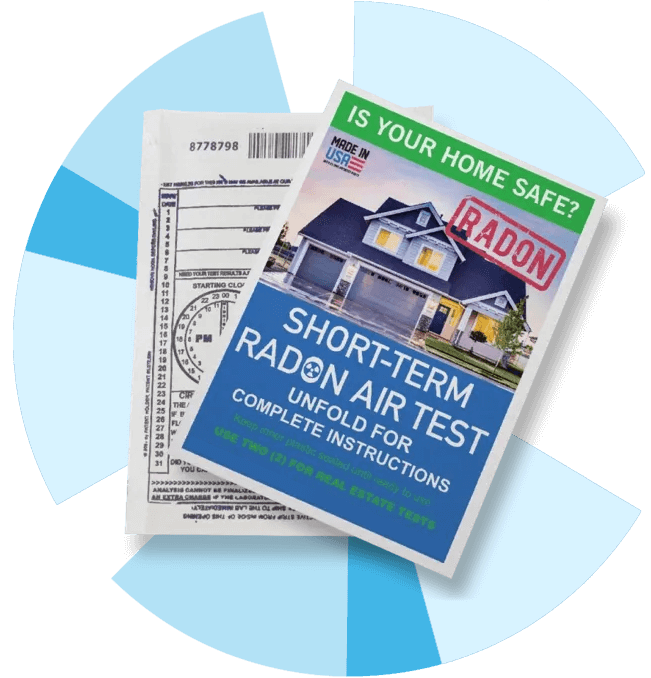
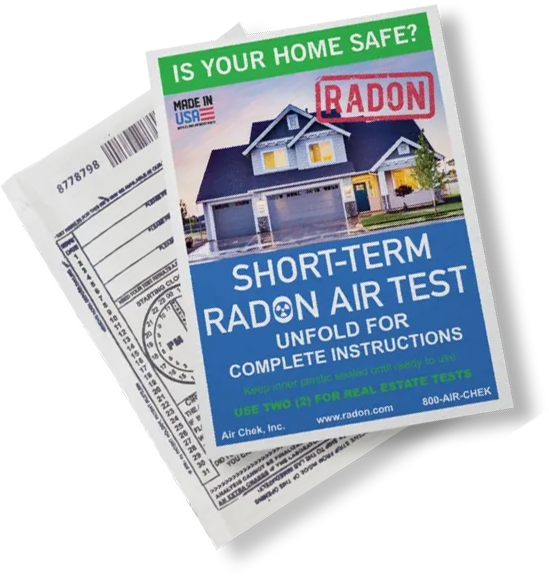
Radon Air Test Kit with Instructions and Testing Bag

Industry-leading
diy short-term radon test

No Surprise Lab Fees

Other kits might tack on up to $40 in extra lab fees, but not ours. Everything’s included in one low price.

Radon Tests For under $35 $20

Great pricing allows you to reliably and accurately test without breaking the bank.

FREE SHIPPING TO YOU & THE LAB

We ship to your home free, and we ALSO pay for your shipping to send the absorbed test kit back to our lab for analysis!

JUST FOR THE CHICAGO AREA

This offer is only for folks in the Chicago area. If you’re in the city or surrounding “burbs,” this is for you.

Quick Testing & Fast Results

The in-home test takes just a few days – and once the lab gets your kit, your results are ready in about a day.

Get Results Your Way

A complete, easy-to-understand report explains the results to you. We can even send the results via email, text, or mail- whatever works best for you.

The Process

1

You Receive your test in 2-3 Days

2

Place your kit for 4+ days

3

Fill out your card

4

Mail to lab in provided mailer

5

Get your results 1 day after it arrives

Il Department of Public Health & US EPA says:

Illinois Homes should be tested for radon every two years

FAQs about Radon Testing

Radon is a naturally-occurring, odorless, colorless radioactive gas produced from the decay of uranium in soil, rock, and water. It can accumulate in buildings, posing a health risk, as it is the leading cause of lung cancer among non-smokers in the U.S. In the Chicagoland area, the unique geology leads to higher-than-average radon levels, often exceeding the EPA’s action level of 4 pCi/L – making testing and mitigation critical.

A home in Illinois has a 42% chance of having high radon!

Prolonged exposure to elevated radon levels (above 4 pCi/L) increases the risk of lung cancer, causing over 21,000 lung cancer deaths annually in the U.S. The risk is higher for smokers. Testing and mitigation can significantly reduce this risk.

A new Illinois law allows tenants to test their unit at anytime, then ask the landlord to mitigate high levels. If they do so within 90 days of the lease signing or renewal (following the correct steps), and the landlord does not fix the radon issue, the tenant can void the lease. More info at: Il State Radon Program.

Radon testing typically involves placing a radon test kit in the lowest livable area of a home, such as a basement, for at least 48 hours (more preferably, closer to 7 days) with windows and other items kept closed (but you can come and go). Upon receiving the kit, the lab can provide your results within one to two days, indicating whether levels exceed safe thresholds.

The Chicagoland Radon Test Kit is a short-term, 3-to-7-day radon testing device that uses granular activated charcoal to absorb radon gas from the air. It’s designed for homeowners and professionals to measure indoor radon levels easily and accurately. The kit includes the test device, instructions, a prepaid return mailer, lab analysis info, and a test report. It’s widely used, with over 7.8 million kits sold globally.

The kit comes with easy-to-follow, step-by-step instructions, but to know what to expect, here are the highlights.

Placement: Place the kit in the lowest regularly used area of the home (e.g. in the basement, on the first floor, over a crawlspace, etc.) at least 20 inches above the floor, ideally in the breathing zone (2–6 feet above the floor). Place it on a surface where it is unlikely to be disturbed, preferably centralized in the room. The test should be at least 3 feet from doors, windows, exterior walls, or vents, and try to avoid drafts, high humidity areas (e.g. bathrooms, kitchens, etc.), and heat sources (e.g. fireplaces). Use one kit per 2,000 square feet.

Conditions: Maintain closed-house conditions (windows and exterior doors closed except for normal entry/exit is OK ) starting 12 hours before and throughout the test. Operate heating/cooling systems normally, but avoid using whole-house or window fans.

Timing: Expose the kit for 3–7 days (72–168 hours). A common tactic is to start on a Thursday and mail it back on Monday for a 4-day test to ensure timely lab processing.

After exposing the kit for 3–7 days, mail it to Air Chek Lab (1936 Butler Bridge Road, Mills River, NC 28759) using FedEx or UPS for faster delivery. Results are typically available via email by 5:30 PM Eastern Time on the day the lab receives the kit (Monday–Friday; Saturday tests are reported the next business day by noon). You can also access results online at cgi.radon.com using the test kit serial number (available for 60 days post-analysis).

No, the kit is designed for easy homeowner use with clear instructions.

About Radioactive Radon

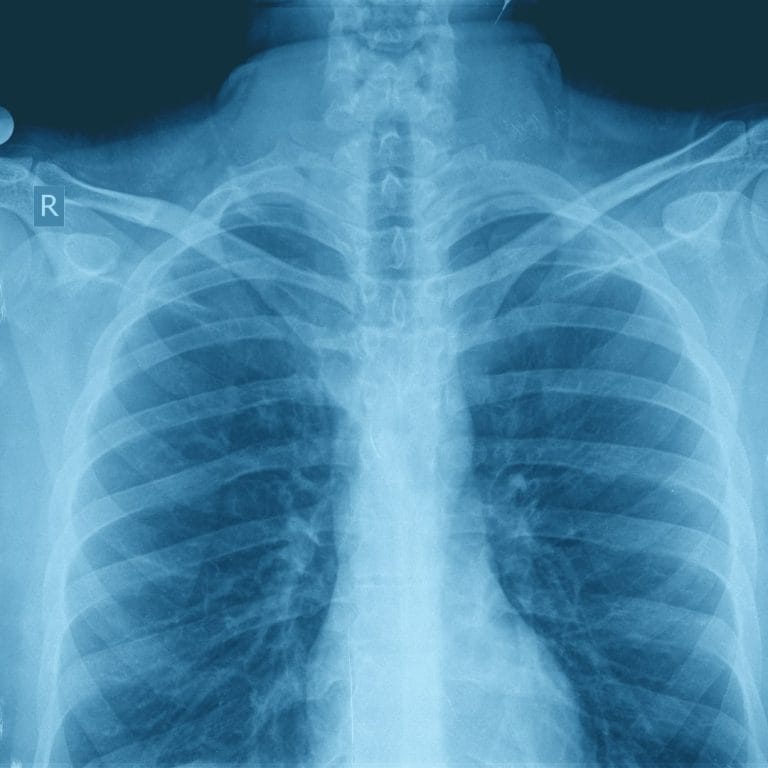
Chest X-ray Showing Lungs for Radon Impact

How Hazardous is Radon?

  • Radon is the #2 cause of lung cancer – right after smoking.
  • Over 1,100 people die from radon-related lung cancer every year in Illinois.
  • All radon is radioactive – there’s no “safe” version of it.
  • It damages the DNA in your lungs, and if your body makes a mistake while repairing it, it can lead to lung cancer.
  • The longer you’re exposed, the higher the risk – it’s a slow, silent threat.
Aerial View of Residential Area for Radon Testing Locations

How Common is Radon?

  • About 1 in 3 homes in the Chicago area test high for radon.
  • Radon is deadlier in Illinois than carbon monoxide, house fires, asbestos, and lead in water – COMBINED.
  • Any home can have radon – it doesn’t matter how old it is, how it’s built, or where it’s located.
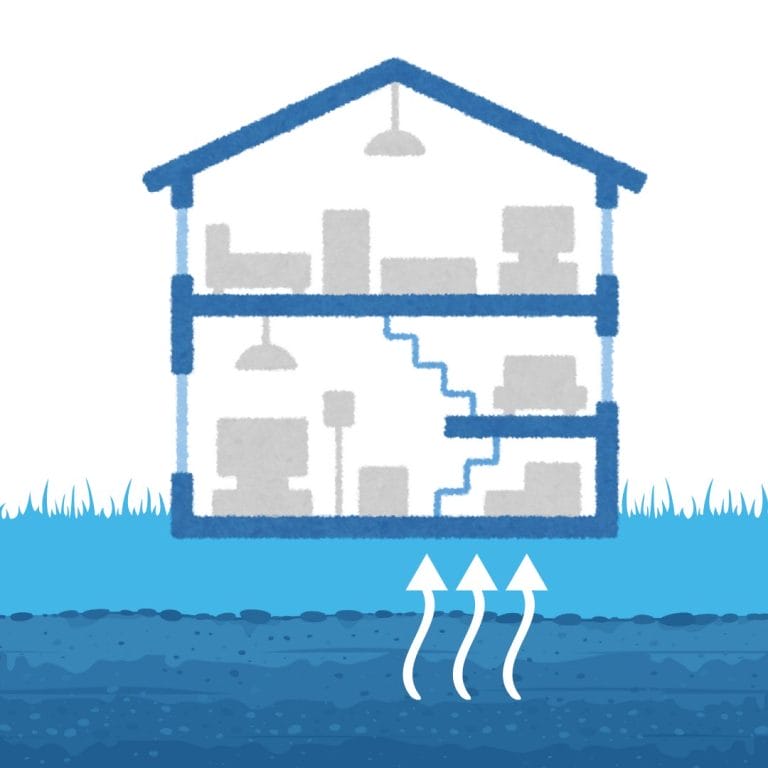
Diagram of Radon Gas Rising into a House

How Does Radon enter my home?

  • It can enter homes by moving directly through concrete basement or crawlspace floors.
  • Common entry points include floor cracks, gaps, and sump pump systems. But even if these are sealed, radon can enter directly through the concrete floor.
  • Homes built on slabs (no basement or crawlspace) may have a higher risk of radon exposure.
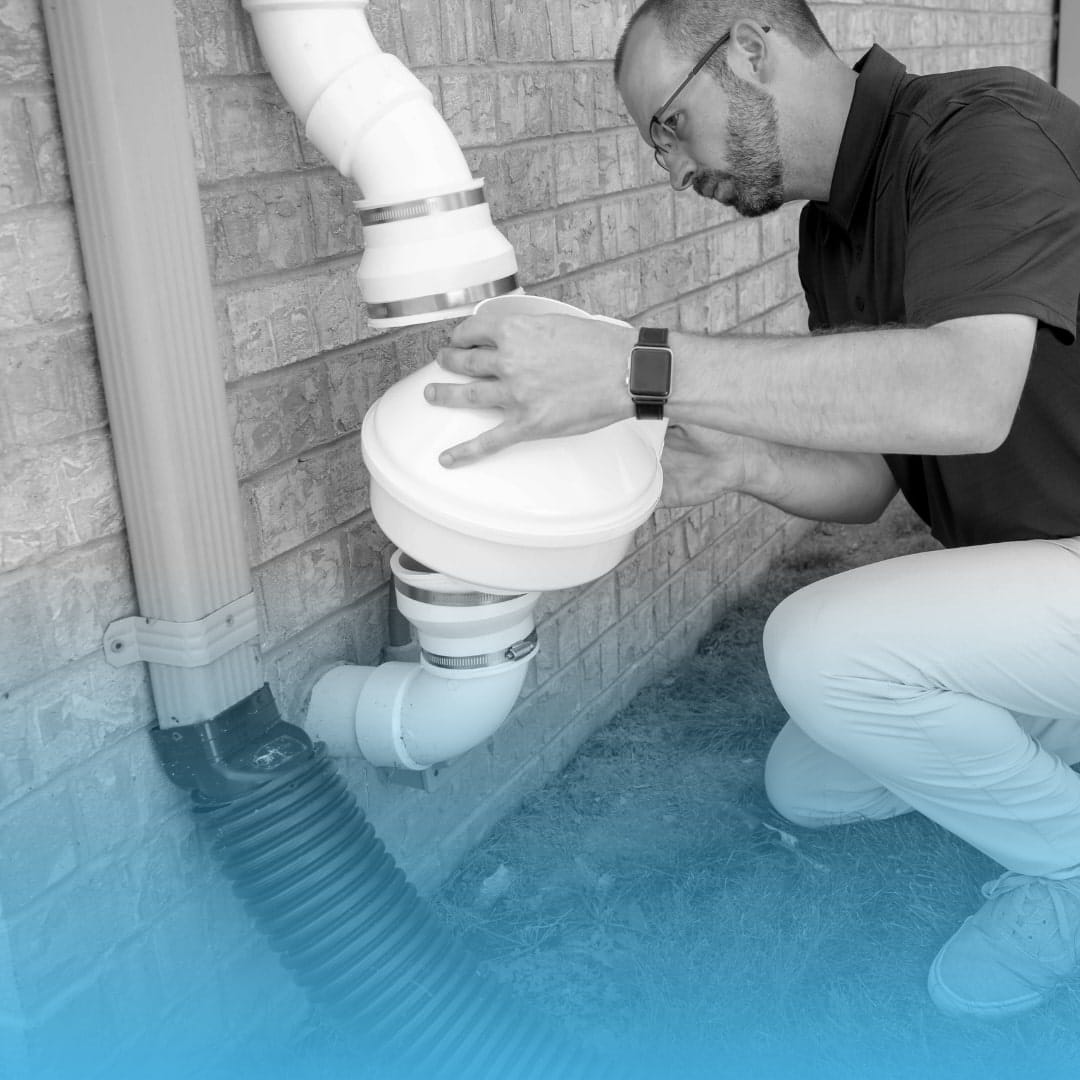
Technician Installing Radon Mitigation System

What if my radon level is high?

  • How it works: A radon system gently pulls radon gas from beneath your home’s foundation (usually through the gravel under your basement or slab) and vents it safely above your roof.
  • Always on, always dependable: These systems run 24/7 to keep your home safer – and they’re built to last.
  • What it costs: In the Chicago area, professional installation typically costs between $1,300 and $2,500, though prices can range from $1,100 up to $7,000 depending on your home’s layout.
Short-Term Radon Air Test Kit with Instructions

RADON TEST KIT

$35.00
$19.55

FREE Shipping & No Lab Fees!

An industry-leading test is available at a special price for ONLY Chicagoland residents.